


Stop Studying. Start Absorbing: The Natural Path to Mandarin Pronunciation
Does practicing Mandarin tones feel like a repetitive chore? You’re not alone. The journey to clear pronunciation often gets reduced to rote drills, leaving many learners frustrated. But what if the secret isn't more study, but a different kind of listening? The key to natural improvement is to shift from forcing sounds to absorbing the language's music.

The Foundation: Active, Daily Listening
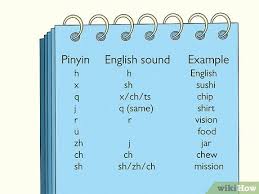
Forget background noise. True progress starts with active immersion. Your brain must first learn to hear the nuances before your mouth can produce them. Dedicate 15 minutes daily to listening with full attention. Choose compelling content—a gripping podcast, a slice-of-life drama, a news clip. Don't just follow along; dissect it. Notice how the third tone dips and rises, how the "x" in "xièxie" sounds different from an English "sh." This focused listening rewires your auditory perception, making unfamiliar sounds recognizable and reproducible.
Your Most Powerful Tool: Mimicry (Shadowing)
Once your ear is tuned, engage your voice through shadowing. This simple technique is transformative. Play a short sentence from a native speaker. Listen, pause, and immediately imitate—copying their tone, rhythm, and emotion. Start with slow, clear audio. It will feel awkward, but you're training muscle memory. Your mouth is learning the physical dance required for Mandarin. This isn't about perfection; it's about building neuro-muscular connections through repetition.
Connect Sound to Meaning
Isolated practice has limits. Pronunciation gains power when linked to real communication. Practice new vocabulary within full sentences, not in isolation. During language exchanges, ask for targeted feedback: "Was my 'qīng' clear?" Sing along to Mandarin music; it’s a joyful way to internalize tone flow. When you connect sound to purpose and emotion, it sticks.
Use Technology as Your Coach
Smart tools can accelerate your journey. Use your phone to record yourself. Compare your recording to a native speaker—the differences will become your guide. Pronunciation apps can offer instant, private feedback, helping you self-correct.
Embrace Progress, Not Perfection
Aim for clarity, not a flawless accent. Consistent, mindful practice for a few minutes each day is far more effective than occasional marathon sessions. Celebrate being understood. Each clear conversation is a victory.
Ultimately, improving your Mandarin pronunciation naturally is about changing your relationship with the language. Move from being a passive student to an active participant. Listen intently, mimic bravely, and speak with purpose. By absorbing the language daily, you won't just learn pronunciation—you'll begin to embody it.


